A missed call is not one appointment — it is the whole package
When a phone rings out at a med spa, the instinct is to treat it the same as a missed call anywhere else: a small inconvenience, a single appointment that slipped. That framing hides what was actually on the table. A new caller asking about Botox pricing or laser hair removal is almost always researching before a consultation, and the consultation is the gateway to a treatment package — not a single visit.
So the real math on a missed call is not one appointment. It is the consultation that never happened, the treatment plan that was never built, and the package a competitor ended up selling instead. One unanswered ring can quietly stand in for a multi-session Botox schedule, a laser hair removal package, or a weight-loss program enrollment. That is what walks out the door every time a call goes to voicemail.
This is why the front desk is the single highest-leverage revenue surface in the practice, and why the follow-up problem so often shows up here first — before anyone notices the ads, the leads are already leaking at the phone.
Estimate it for your own practice
There is no universal industry-wide figure for what a missed call is worth, because it depends entirely on your own numbers. The more useful exercise is to run the calculation for your practice directly.
Take three numbers you already have: how many calls you miss in a typical week, your average case value per new patient (the package or treatment plan they typically start with), and your rough booking rate — the share of consultations that turn into treatment. Multiply them together:
A calculation framework, not a statistic
Missed calls per week × average case value × share that would have booked = estimated weekly revenue at stake on missed calls.
What the math tends to reveal
Run it with realistic med spa numbers and the result usually surprises owners. If a practice misses, say, eight calls a week, an average new-patient case value sits around a few hundred to a couple of thousand dollars, and roughly half of booked consultations convert to treatment — the weekly figure adds up fast, and the annual number is large enough that it stops being a rounding error.
These are illustrative numbers, not an established industry average. The point of the framework is that you plug in your own call volume, your own case value, and your own conversion rate, and decide from there whether missed calls are something you can keep ignoring. Most practices, once they actually do the arithmetic, find they cannot.
You cannot fix what you do not measure
Before assuming missed calls are not a problem, the first question is whether you actually know how many you get. Most med spas do not. Calls land on a front-desk phone that no one audits, missed rings go unlogged, and after-hours calls roll silently to voicemail that is checked inconsistently.
Call tracking changes that overnight. Once every inbound call is logged — answered or missed, during hours or after — you can see the real volume, the times of day demand spikes, and exactly how often a live person never picks up. Practices routinely discover their missed-call rate is two or three times what they assumed, which is why measurement is the prerequisite to everything below. A system that handles the calls cannot be justified until you can see the calls you are losing.
The fastest fix: missed-call text-back
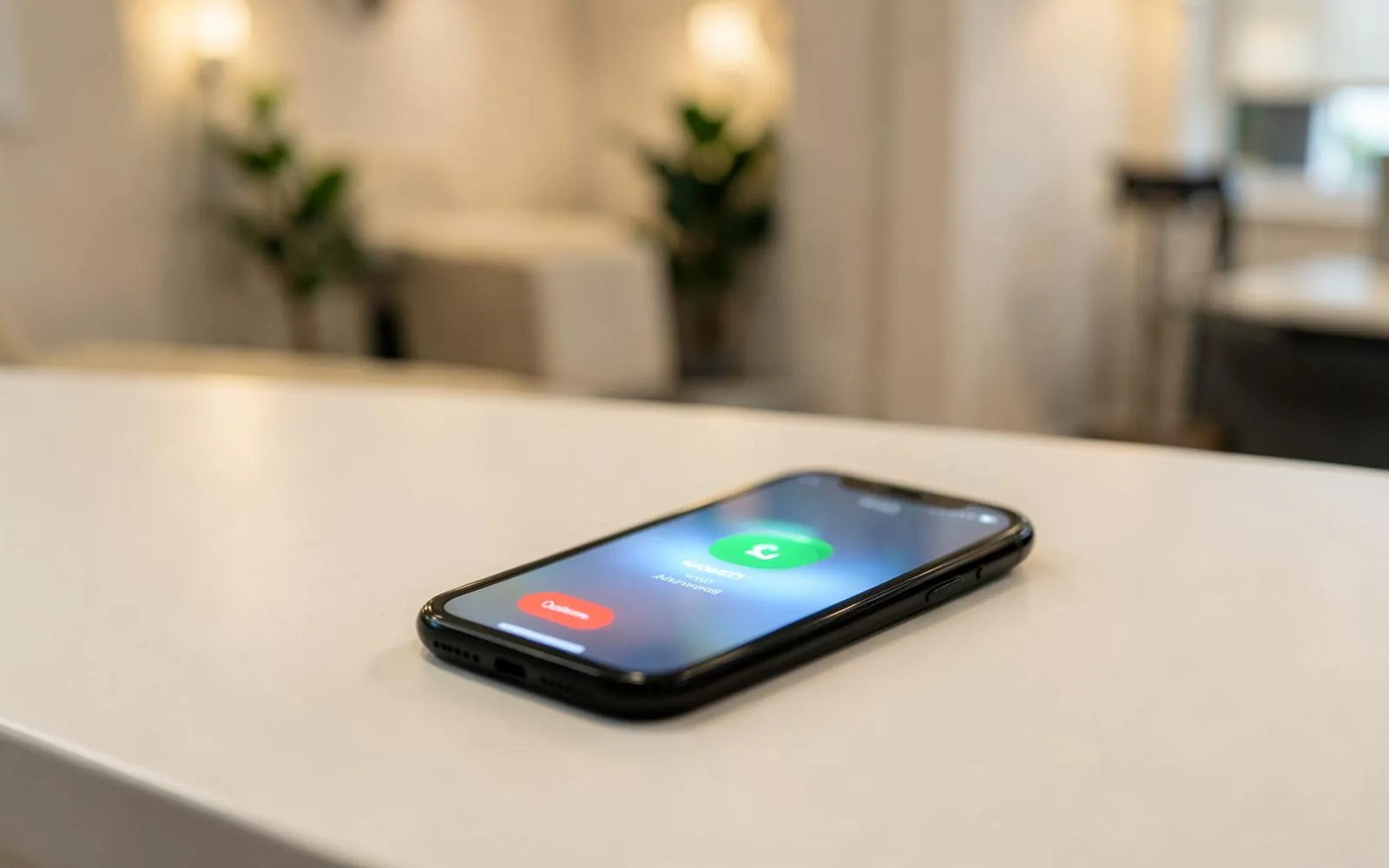
The lowest-friction recovery is automatic. The moment a call goes unanswered, the caller gets an immediate text: something like, 'Hi, sorry we missed your call — are you looking to book a consultation? Let us know which treatment and we will get you on the calendar.'
This works because a missed call almost always means the caller is on their phone right now, actively shopping. A text back within seconds captures them while they are still holding the device, and it meets them in the channel they already prefer. It also reopens the conversation for people who never would have left a voicemail — which is most of them. Text-back is the single highest-return fix per dollar of effort, and it requires no change to how the front desk works during the hours they can answer.
The fuller fix: an AI receptionist for the calls voicemail catches
Text-back recovers the missed call, but it does not answer the call in the first place. During busy hours — when the front desk is with a patient, on another line, or simply overwhelmed — a share of calls still roll to voicemail, and a large share of those callers never leave a message at all.
An AI receptionist closes that gap by actually answering, in real time, the calls that would otherwise be lost. It can confirm which treatment the caller is asking about, give accurate Botox or filler pricing, answer the routine questions that pull staff away from in-person patients, and capture the lead instead of letting it hang up. This is the same role described in how the modern med spa front desk runs human + AI together — handling the repetitive inbound volume so staff stay focused on the patient in front of them, with anything urgent routed straight to a person.
Close the loop with booking automation
Answering the call, or texting back, only recovers revenue if the caller actually gets booked. The fragile version of this is 'we will call you back to schedule' — which hands the lead right back to the same delay and overload that lost the call in the first place.
Booking automation closes the loop by getting straight to a calendar slot inside the same conversation. The caller who missed the call, got an instant text, and confirmed their treatment can pick a consultation time without waiting on a callback, which is the same speed advantage that matters in what happens when a med spa replies in 30 seconds instead of 3 hours. Recovered lead, qualified, booked — without a human having to manually chase it down.
From one fix to the whole system
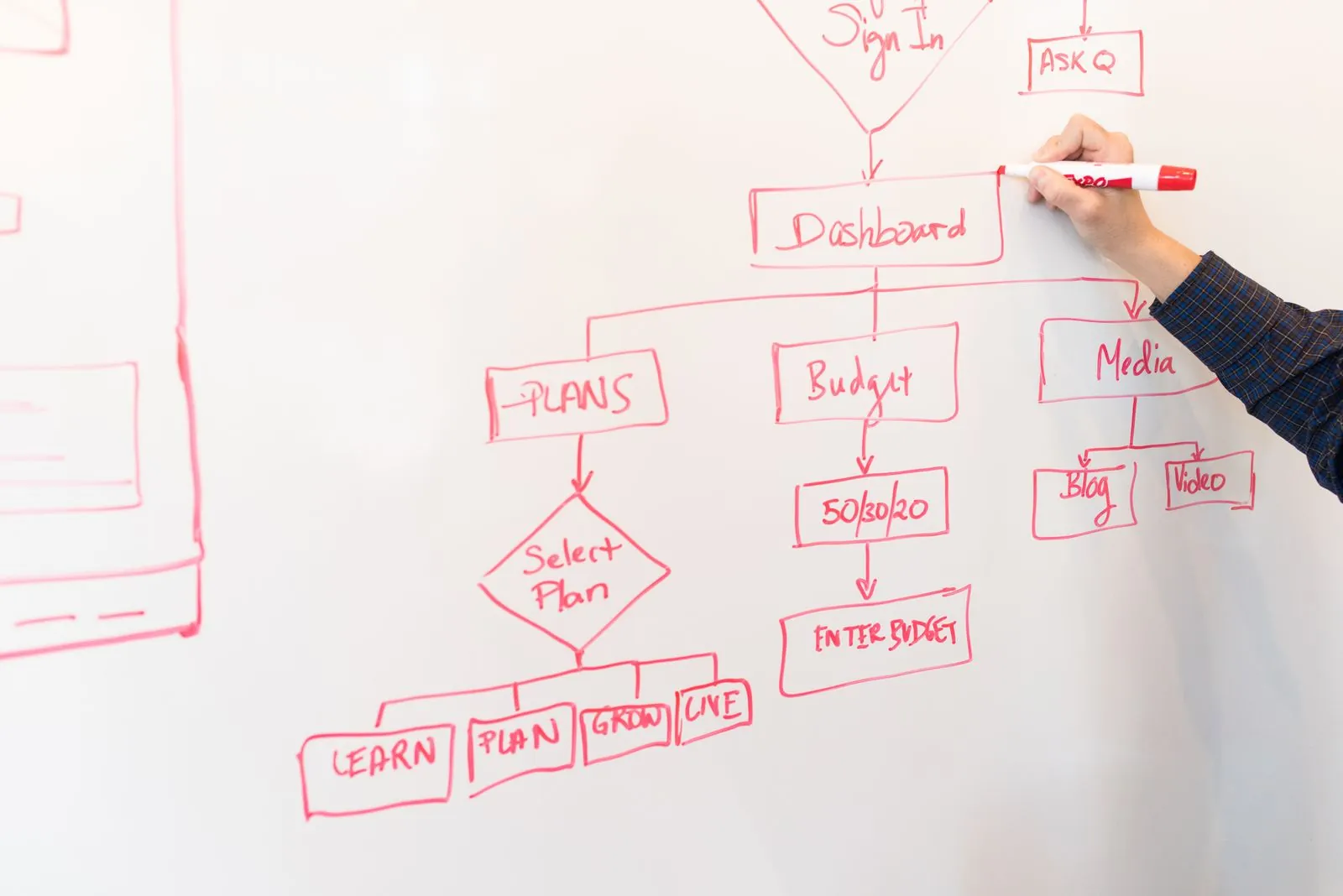
Each step above plugs a specific leak: call tracking shows the volume, text-back recovers the immediate miss, the AI receptionist answers what voicemail would catch, and booking automation ensures the recovery actually converts. Done in isolation, each helps. Done together, they stop missed calls from being a revenue drain at all.
That is exactly how these pieces are wired together in the OVRIO AI Med Spa Growth System — the AI Receptionist, Lead Follow-Up, and booking automation are built as one connected flow rather than disconnected tools, which is the distinction laid out in automating workflows instead of isolated tasks. You can see the full system on our Services page, and if you want the missed-call math run against your own practice's numbers, book a free growth audit and we will trace it with you.
If this is happening in your clinic, the next step is to see how the AI Med Spa Growth System works agent by agent, look at illustrative med spa growth scenarios, or talk to us about your clinic and we will map where your bookings are leaking.
Written by
Khalil Ur Rahman Afridi
LinkedInFounder, OVRIO
I Help Med Spas Book 50+ More Consultations/Month With AI Receptionists & Missed-Call Recovery — No Extra Front Desk Staff | Founder at Ovrio AI
More about OVRIO