Speed decides before pricing does
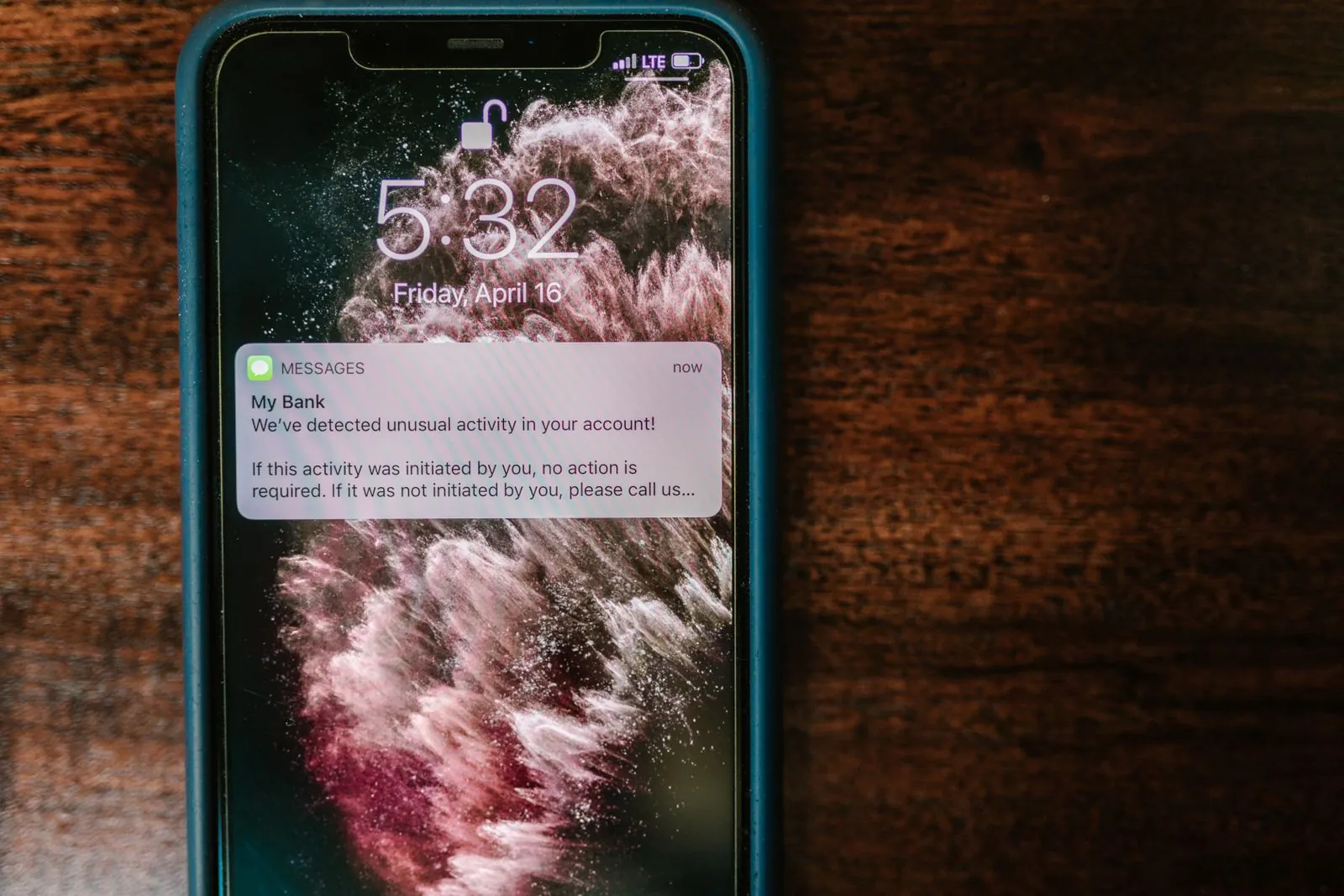
When a prospective patient reaches out, most med spa owners assume the decision comes down to reputation, pricing, or injector skill. Those matter, but they rarely get a chance to matter before something simpler does: how long it takes to hear back. A lead that lands in your inbox at 11 a.m. and gets a real, specific reply by 11:01 is a fundamentally different conversation than one that hears back at 2 p.m. The treatment, the price, and the injector are identical in both cases. What changed was the response time.
The mechanism is not complicated. An interested patient is at their peak intent in the minutes after they hit send. Every minute that passes without a reply, that intent cools — they open another tab, they message a competitor, they get pulled back into work. Response time is one of the few conversion levers that works entirely independent of how good your service or your pricing is, which is why a faster practice with a weaker offer can quietly out-book a slower one with a stronger one.
Why med spas feel this more than most businesses
Cosmetic treatments are a comparison-shopping category. A patient who wants Botox, filler, or laser hair removal is rarely writing to a single practice. They tend to message two or three med spas in the same sitting, asking roughly the same question — pricing, availability, whether a consultation slot is open this week. They are not necessarily looking for the absolute cheapest option. They are looking for the practice that makes booking easy, and the clearest signal of that is who replies first with a concrete next step.
This is where being the best stops being a defense. A patient cannot evaluate injector skill through a contact form; they can only evaluate the experience of trying to reach you. If a competitor responds inside a minute with a booked-or-bookable answer and you respond in three hours with a vague promise to follow up, the booking frequently goes to the competitor before your reply ever lands. The faster practice did not win on merit. It won on availability.
What an instant reply actually changes
The first job of a reply is not to sell the treatment — it is to stop the lead from moving on. An AI Receptionist that acknowledges an inquiry the instant it arrives does something a human triage process almost never can: it makes the patient feel seen before they have had time to open the next tab. That acknowledgment alone changes the frame from waiting to hear whether the practice is interested to already being engaged with them.
What turns that acknowledgment into a booking is that it is not a generic auto-response. It is a real reply that moves the conversation forward — confirming the treatment they asked about, answering the obvious question, and steering toward a slot. The patient experiences it as responsiveness. Underneath, the system is doing the work a free front-desk staffer would do, only in seconds rather than whenever the phone happens to be free. You can see how this fits the broader front-desk model in the modern med spa front desk: human + AI working together.
Why SMS is where the reply actually happens
Most leads do not come in as missed calls anymore; they come in as form submissions, DMs, and texts, and the fastest channel to get a real answer back is SMS. A patient who filled out a form is already phone-shy — they chose to type rather than call — so a callback is often a slower path than simply texting them back. People read texts in seconds and reply in minutes, where a voicemail can sit unheard for hours.
That makes text the natural channel for speed-to-lead. The AI Receptionist and Lead Follow-Up agents can carry the conversation on the channel the patient already chose, instead of forcing them onto a phone call they were avoiding. The same logic is why a missed call does not have to become a lost lead — see why med spas lose leads after business hours for the after-hours side of the same problem.
Instant qualification instead of delayed back-and-forth
A slow reply is slow twice: once in the wait for any response, and again in the round-trip to figure out whether this lead is actually bookable. A human reply often comes back as a thank-you followed by what treatment were you interested in and when were you hoping to come in, which restarts the clock and pushes the booking to another message.
The fix is not answering faster with the same vague question. It is asking the one or two questions that actually determine the booking — which treatment, and what timing — inside the first reply, so the second message from the patient comes back with the information needed to offer a slot. A patient asking about Botox pricing gets whether this is a first treatment or a re-treatment and whether they have a window this week or next, in seconds, instead of a price list followed by days of silence.
From a callback promise to a calendar slot
The phrase that kills the most med spa leads is we will call you to schedule. It hands the momentum back to the patient and pushes the booking into an unspecified future call that, statistically, often does not happen. A lead that was ready to book is now waiting on a callback, and while they wait a competitor replies.
The alternative is to end the first exchange on a slot rather than a promise. Booking automation means that once the treatment and timing are clear, the lead is offered a specific available time and confirmed — or routed to a self-serve calendar — in the same conversation. That is the difference between a lead that converted and a lead that was going to book. It is also the reason a single automated form reply leaves most revenue on the table, which we break down in the biggest AI automation mistake: automating tasks instead of workflows.
What thirty seconds actually buys
The difference between a 30-second reply and a 3-hour reply is rarely one booking. It is the share of inquiries that convert at all, the number of leads that stay warm long enough to be qualified, and the patients who book with you instead of the next practice on their list. Once response time is treated as a system rather than a staffing hope, the front desk stops being the bottleneck on growth you already paid to generate.
The pieces that make a 30-second reply possible — the AI Receptionist for instant acknowledgment, the Lead Follow-Up agent for SMS qualification, and the booking automation that ends on a slot — are laid out on our Services page. If you want to see what that would change for your own inquiry flow, book a free growth audit and we will trace where your current replies are slowing down.
If this is happening in your clinic, the next step is to see how the AI Med Spa Growth System works agent by agent, look at illustrative med spa growth scenarios, or talk to us about your clinic and we will map where your bookings are leaking.
Written by
Khalil Ur Rahman Afridi
LinkedInFounder, OVRIO
I Help Med Spas Book 50+ More Consultations/Month With AI Receptionists & Missed-Call Recovery — No Extra Front Desk Staff | Founder at Ovrio AI
More about OVRIO