
The instinct is to automate a task, not a journey
When a Med Spa owner first hears about automation, the request usually arrives in one shape: "Can we send an email when a lead comes in?" It is a reasonable question. A new Botox or filler inquiry lands from Facebook or Google, and nobody wants it sitting untouched until the front desk has a free moment. So an auto-reply gets wired up, the owner checks that task off the list, and the work is declared automated.
The problem is that a single task was never the bottleneck. A lead who receives an instant email can still never book. A consultation that gets booked can still go unconfirmed. A patient who completes a body contouring package can still drift away without a single reactivation attempt. Automating one step makes that step faster without touching any of the revenue that leaks out after it.
The bigger question is almost never asked: instead of automating one task, can we automate the entire patient journey from first contact to a booked, confirmed, and retained appointment? That is where Med Spa revenue is actually won or lost, and it is where task-by-task thinking quietly stops short.
One automated task versus the full journey
Picture the most common single-task automation in a Med Spa: a new lead comes in, and the system sends an email. The front desk assumes the inquiry is handled. In practice, the lead can still go cold at every other step in the chain.
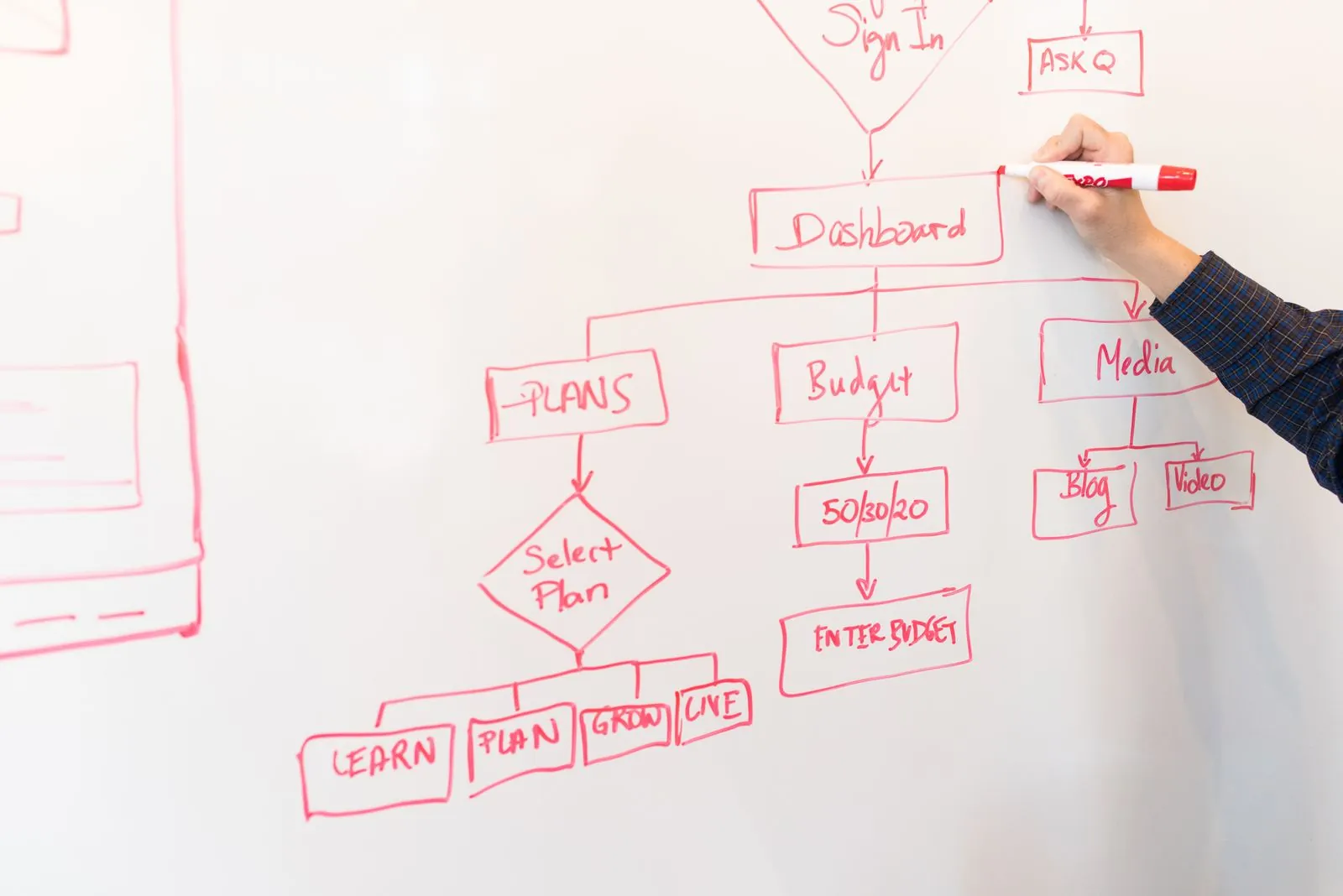
Now picture the same inquiry moving through a full-journey system instead. A new lead arrives. An AI conversation begins immediately, answering approved questions about Botox pricing or filler availability and asking the right qualification questions. Treatment interest is identified and routed to the correct injector's calendar. A consultation is booked. A reminder goes out before the visit. The patient attends the appointment. After the visit, a planned follow-up checks in without making clinical claims. If the patient books again, the cycle continues. If they go quiet, a reactivation conversation begins, timed around the treatment they actually received.
The difference is not incremental. In the first case, one step is fast and the other nine are unattended. In the second, every step that can safely be automated is connected, and the moments that need a person, like a clinical suitability question or a complaint, are handed off rather than missed.
"A Med Spa that automates one step has made one step faster. It has not addressed the nine places where the revenue still leaks out."
Where the lead still goes cold
A Med Spa owner who has only automated one step, like auto-replying to a form, is still leaving most of the revenue leak unaddressed. The auto-reply gets the conversation started, but the lead can still disappear at qualification if nobody asks which treatment they actually want. It can stall at booking if the only path is a link the patient never opens. It can die at reminders if the confirmation never goes out. It can vanish after a no-show if nobody attempts a same-day rebook. And it can quietly lapse months later if a past injectable or laser patient never receives a timely reactivation message.
Every one of those steps is a place where the lead can go cold, and automating only the first one leaves all of them exposed. The front desk is still responsible for noticing when the conversation stalled, deciding what should happen next, and carrying it forward, which is exactly the invisible coordination work that burns out under volume.
This is why practices often add a second tool, then a third, then a fourth, and still feel like nothing actually moves. Each tool fixed one task. None of them connected the journey, so the gaps between them stayed open.
The question that changes the approach
Instead of asking "can we automate this task?" ask "can we automate the journey from first contact to a returning patient, with clear handoffs for anything clinical?"
What a workflow-first system changes for the front desk
When the system is designed around the full workflow, the front desk's job changes in a healthier way. Instead of remembering to reply, then remembering to qualify, then remembering to follow up, then remembering to reactivate, the team supervises a connected process that keeps moving on its own for everything within its approved scope.
A laser hair removal lead who answers one qualification question and ignores the second gets followed up on the right cadence rather than dropped. A weight-loss program prospect who needs several conversations over two weeks gets spaced contact instead of a single email and silence. An IV therapy regular who simply wants the next available slot gets booked without a human ever touching the routine logistics.
The person at the desk is freed for the conversations that genuinely need judgment: walking a nervous first-time injector patient through what to expect, untangling a billing concern, or responding to a post-treatment question that belongs with a clinician. The system owns the volume and the continuity. The team owns the trust and the exceptions.
- Every inbound, call or message, captured instead of waiting for someone to notice it
- Qualification and booking connected, so an answered question becomes a booked consultation
- Reminders, rescheduling, and follow-up running on the practice's cadence without manual prompts
- No-shows recovered the same day instead of joining a long list for later
- Past patients reactivated around the treatment they actually received, not a generic blast
A workflow, not a task, is what OVRIO designs
This systems-level thinking is the actual difference between hiring an automation freelancer to build one workflow and hiring OVRIO to design the full system. A freelancer will happily connect a lead form to an email, deliver it, and leave. The task works. The journey is still unowned, and every step after that single automation remains a place where a patient can quietly slip away.
OVRIO's work begins from the opposite end. The first job is to map the entire Med Spa journey from inquiry to consultation to repeat treatment, identify where qualified demand is being lost at each handoff, and then build the connected system that carries a patient forward through it, with clear clinical boundaries for anything that must reach an injector. The deliverable is not one working task. It is a set of responsibilities, like AI Receptionist, Missed Call Recovery, Lead Follow-Up, No-Show Recovery, and Patient Reactivation, that share context and keep the patient moving.
That is also what ties this piece to the broader Automation Strategy throughline. AI Agents Are Not the Future of Automation. They Are the New Automation. explains how rule-based automation stops once a real conversation leaves the script, and The End of "AI Assistants": Why Businesses Are Building AI Workers defines what it means for a system to own a responsibility from start to finish. This article is the reason both of those matter: a single automated task never owns a journey, and the journey is where Med Spa revenue is actually recovered.
If your Med Spa has automated a step or two and still feels like leads go cold, the gap is almost certainly between your tasks rather than within them. See how OVRIO builds the full workflow on Services, or book a free growth audit through Contact to map where your patient journey is currently breaking.
If this is happening in your clinic, the next step is to see how the AI Med Spa Growth System works agent by agent, look at illustrative med spa growth scenarios, or talk to us about your clinic and we will map where your bookings are leaking.
Written by
Khalil Ur Rahman Afridi
LinkedInFounder, OVRIO
I Help Med Spas Book 50+ More Consultations/Month With AI Receptionists & Missed-Call Recovery — No Extra Front Desk Staff | Founder at Ovrio AI
More about OVRIO