
The replacement fear, addressed first
The first assumption most med spa owners bring to an AI receptionist is that it means replacing front desk staff. It does not, and the framing is worth correcting before anything else, because a system built to replace people and a system built to support them look nothing alike in practice. The goal is not fewer humans; it is humans freed from the repetitive, interrupt-driven work that currently pulls them away from the patients standing in the room.
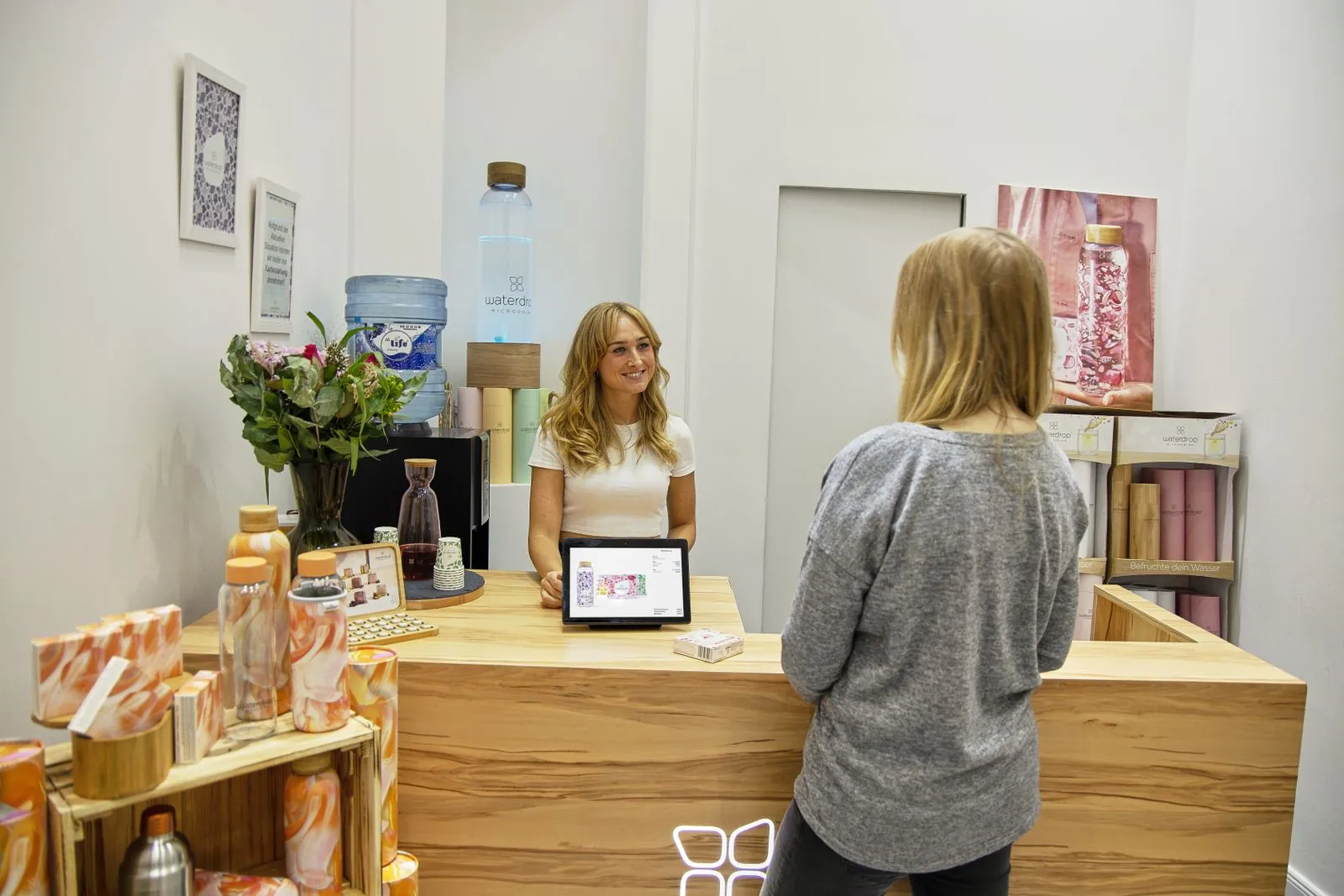
A front desk staffer's day is rarely underbooked — it is over-fragmented. While checking in a patient, the phone rings; while returning that call, a form lead comes in; while answering the form, a walk-in has a question. None of those is a problem on its own, but together they produce a constant context-switching tax in which the patient physically present usually loses. The point of adding AI is to absorb the interrupts so the person stays present.
Calls: after-hours and overflow, not every call
The clearest place AI helps is the call volume the front desk cannot physically cover. After-hours calls, weekends, and the overflow that piles up when two patients are being checked in at once are exactly the moments where a missed call becomes a missed booking. An AI Receptionist handles those calls rather than every call — it does not need to replace the warm greeting a staff member gives during a calm mid-morning.
That boundary matters. The system takes the calls no human was going to answer anyway — the evening inquiry about Botox availability, the Saturday-morning request for a filler consult — and turns them into captured conversations instead of voicemails that never get returned. The after-hours side of this is laid out in why med spas lose leads after business hours.
FAQs: answered without pulling a staffer away
A surprising share of front-desk questions are the same five things: hours, parking, pricing ranges, which treatments are offered, and whether consultations are free. Each takes only moments, but each also pulls a staff member away from the patient they are mid-conversation with. Answering those instantly, across text and web chat, removes a steady drip of interruptions without removing the human from anything that genuinely needs one.
The patients who benefit most are the ones already in the building, because the staffer helping them stops getting cut off every time the phone rings. For the inquiring patient, an instant answer to a parking or pricing question feels like responsiveness rather than a barrier; for the front desk, it is one fewer interruption in an already busy hour.
Booking and rescheduling for the routine requests
Routine scheduling is repetitive work that is also, ironically, the highest-stakes work to delay — because a booking deferred is a booking at risk. Handling standard consultation requests, package-session bookings, and straightforward reschedules directly through the system means the patient gets a slot in the conversation rather than being told someone will call them back to set it up.
This pairs naturally with the speed advantage in what happens when a med spa replies in 30 seconds instead of 3 hours: the lead is not just acknowledged fast, it is qualified and booked fast. Rescheduling a no-show works the same way — a low-pressure message with a fresh slot recovers revenue that would otherwise sit open, instead of relying on a staff member to remember to call back.
Reminders, automated instead of manual
Appointment reminders are the kind of high-value, low-creativity work that should never be done by hand. Calling every patient the day before, or typing individual reminder texts, is exactly the repetitive task AI should absorb — not because it is beneath the staff, but because it is the work most prone to being skipped when the day gets busy, and skipping it directly causes no-shows.
Automated reminders that go out on time, every time, reduce no-shows without adding labor — and they free the front desk to spend that recovered time on the conversations only a person can have. The no-shows that still happen then flow into the reschedule path above rather than disappearing, which is the same reactivation logic we cover in the hidden revenue sitting inside your med spa CRM.
The human handoff — a deliberate design choice
The single most important part of a well-designed AI front desk is knowing when not to handle something. Anything urgent, sensitive, or complex should route straight to a real staff member — a patient upset about a result, a question about a reaction that needs clinical judgment, a complaint, or a request that needs a human apology rather than a scripted one. This is not a limitation or a fallback. It is the design.
A system that tries to handle everything will eventually mishandle the one conversation that mattered most, which is why the handoff is built in up front rather than added after a problem. The AI Receptionist's job is to recognize the edge and get a person in front of it quickly, with context attached, so the staff member steps in already knowing what the patient asked and why it needs them. That is what makes human plus AI a real operating model rather than a marketing phrase.
Where AI should not decide
If a conversation needs judgment, empathy, or clinical reassurance, it should leave the AI before the second message — not after the patient gets frustrated. The handoff is the feature, not the escape hatch.
How OVRIO actually builds this
None of the above works if it is bolted on as a generic chatbot. The reason we start by observing a practice's real front-desk workflows — what the phone actually rings with, which questions repeat, where the handoffs already happen — is that the boundary between what AI handles and what a person handles is different in every med spa. The same agent config that helps a high-volume injectables practice would misfire in a smaller, consult-led one. We walk through that trade-off in the biggest AI automation mistake: automating tasks instead of workflows.
The point is a front desk that covers the repetitive layer automatically while keeping a real person in the loop for everything that should be a human conversation. If you want that mapped to your actual front desk, see how the AI Receptionist fits on our Services page, or book a free growth audit and we will watch the real call flow with you before recommending anything.
If this is happening in your clinic, the next step is to see how the AI Med Spa Growth System works agent by agent, look at illustrative med spa growth scenarios, or talk to us about your clinic and we will map where your bookings are leaking.
Written by
Khalil Ur Rahman Afridi
LinkedInFounder, OVRIO
I Help Med Spas Book 50+ More Consultations/Month With AI Receptionists & Missed-Call Recovery — No Extra Front Desk Staff | Founder at Ovrio AI
More about OVRIO