Demand is often not the problem
Established Med Spas can generate dozens or hundreds of leads each month from Facebook, Google, referrals, and their websites. Revenue is lost when those inquiries wait too long for an answer, reach voicemail, or receive one follow-up and disappear.
Before increasing ad spend, measure what happens to the demand you already paid to create.
The five leaks to measure
- Missed calls that receive no immediate response
- Facebook, Google, and website leads waiting too long
- Consultations that are never confirmed
- No-shows with no rescheduling conversation
- Inactive patients and old leads receiving no relevant outreach
"The best lead is not the newest lead. It is the qualified opportunity your Med Spa is currently failing to convert."
What revenue recovery looks like
A strong growth system responds immediately, answers common treatment questions, qualifies interest, offers consultation times, and continues helpful follow-up until the prospect books or opts out.
The front desk stays available for patients in the building while every digital and phone inquiry receives consistent attention.
Track the outcome
Measure response time, missed calls recovered, consultations booked, reactivated patients, no-show recovery, and the value of open opportunities.
Start with a growth audit
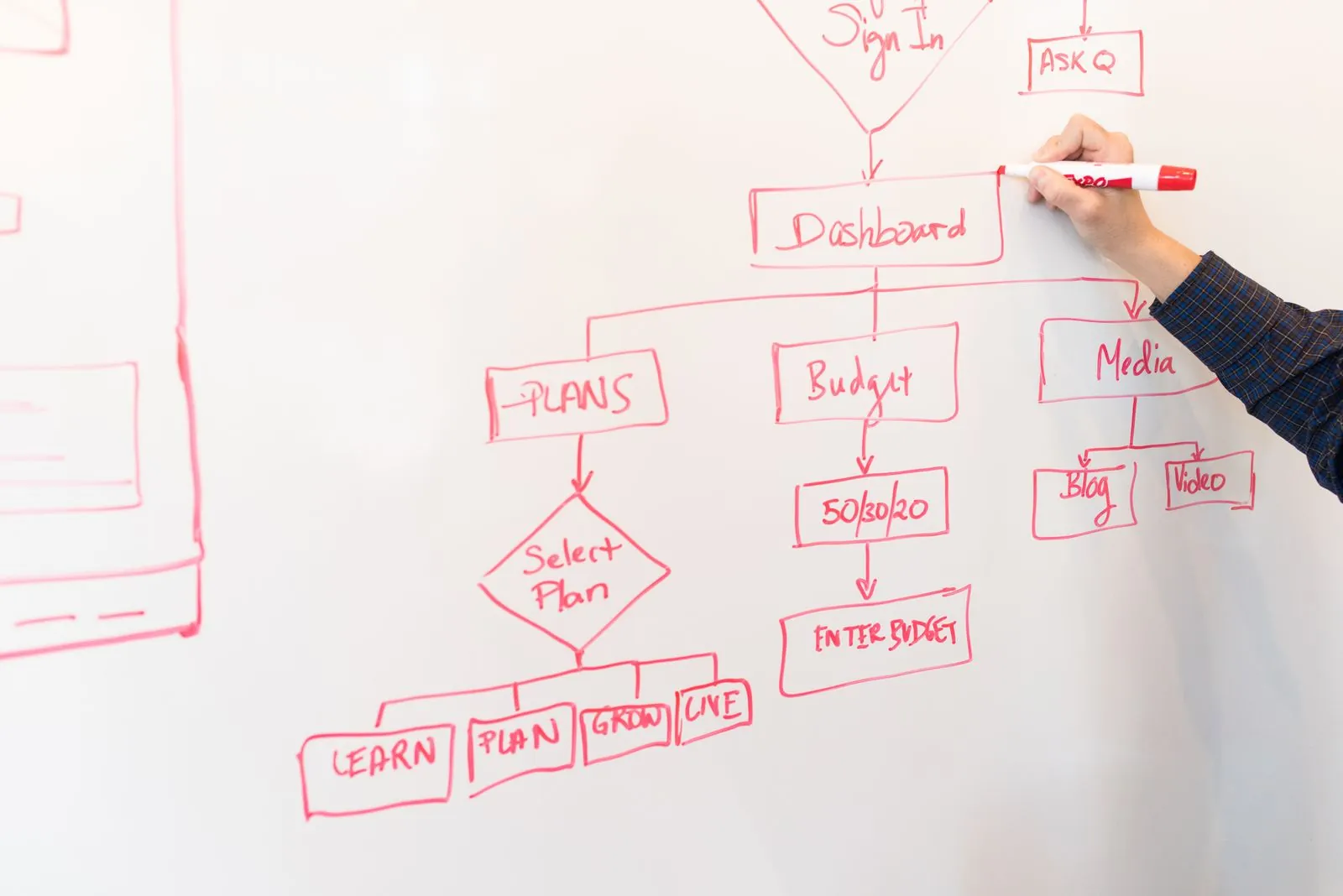
Map every stage from inquiry to consultation to repeat treatment. The clearest gaps usually reveal where a Med Spa can create revenue without adding more leads or more front-desk pressure.
If you want to see how each of those leaks is covered, the AI Med Spa Growth System walks through the reception, missed-call, follow-up, and reactivation agents in detail. When you are ready to map your own numbers, book a free growth audit and we will trace where inquiries are currently going quiet.
If this is happening in your clinic, the next step is to see how the AI Med Spa Growth System works agent by agent, look at illustrative med spa growth scenarios, or talk to us about your clinic and we will map where your bookings are leaking.
Written by
Khalil Ur Rahman Afridi
LinkedInFounder, OVRIO
I Help Med Spas Book 50+ More Consultations/Month With AI Receptionists & Missed-Call Recovery — No Extra Front Desk Staff | Founder at Ovrio AI
More about OVRIO