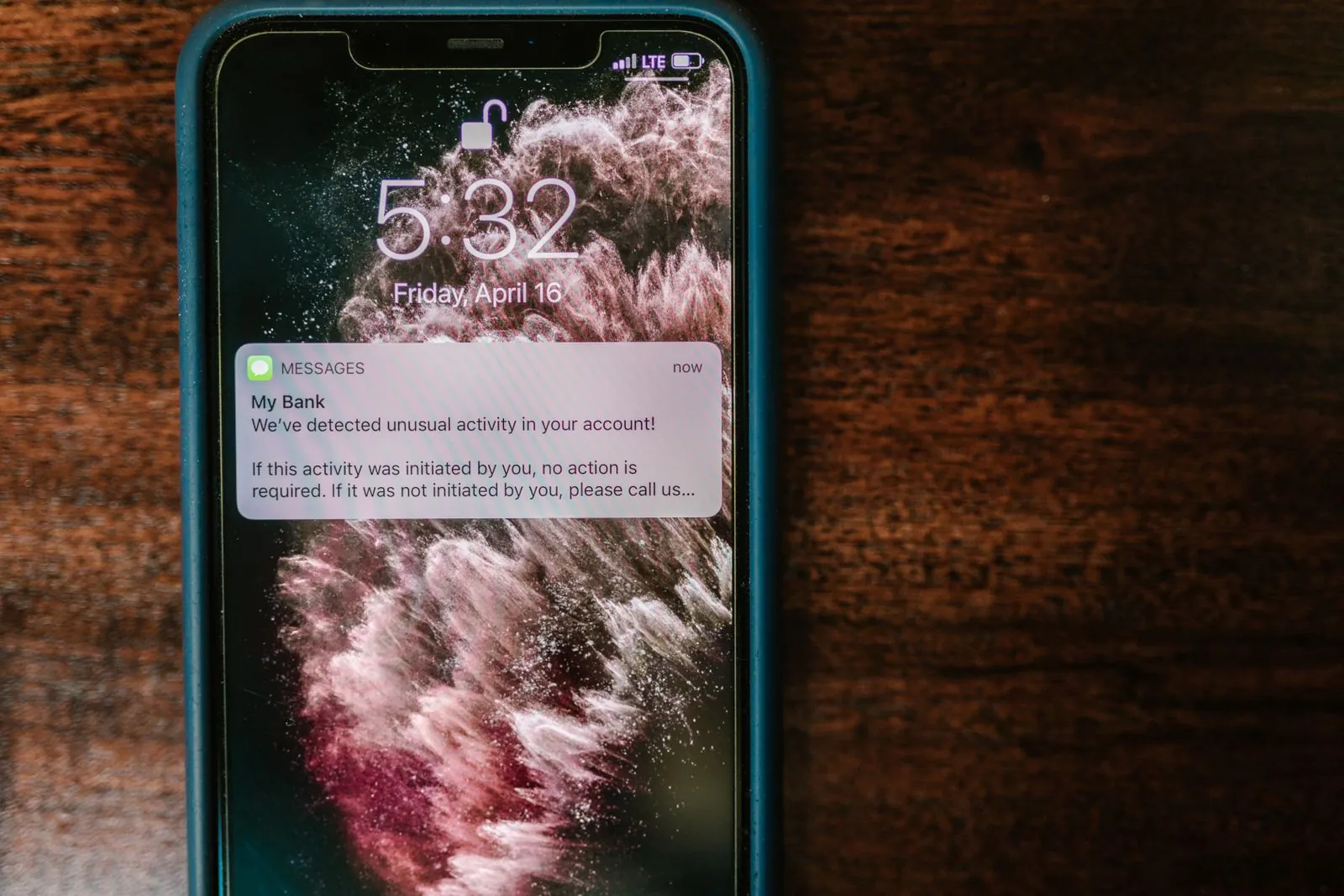
Ads run 24/7. Your responses do not.
The structural problem is a mismatch between when demand is created and when it can be acted on. Ad campaigns, search, and social run around the clock — a prospect can see your Botox offer in the evening and message the practice an hour later — but the team that would respond is only staffed for a slice of those hours. Every lead that arrives outside that window enters a queue that will not be touched until the next morning, no matter how warm it was.
This is not a rounding error in the day. It is often a substantial share of total inquiries, and because intent peaks the moment the message is sent, every one of those leads is cooling overnight against a deadline the practice never set and the patient never sees. The lead did not go cold because the patient lost interest; it went cold because the spa was closed.
Night inquiries — research becomes a message after hours
Evening is when a lot of the actual demand shows up. Patients think about treatments during the day and act on them at night, often after work, when they finally have a quiet moment to compare options and send the messages they had been meaning to send. Someone weighing fillers or a laser package will spend the evening reading reviews and messaging two or three practices in a row — and whoever is available to engage that night is usually the one who gets the booking.
The patient does not expect a staffed front desk late in the evening. But they do tend to keep moving once they start, so by the time your morning shift opens the inbox, the same prospect has often already booked a consultation with a practice that was reachable — or at least responsive — the night before. The lead was real and willing. It simply was not caught while it was warm.
Weekend inquiries — the gap that compounds
Weekends compress the same problem into a longer window. A lead that arrives Saturday morning and sits until Monday has been cooling for two full days, against competitors who may cover Saturday, or who simply replied first. Weekends are also when a practice is either closed or running on skeleton staff, which means inbound messages are even less likely to get a real-time reply than on a weekday evening.
The compounding effect is that the highest-intent patients — the ones who make time on a weekend to actually research and message — are exactly the ones being funneled into the longest delay. That is a hard pattern to defend, because it means your best leads are systematically getting your worst response times.
Delayed response and lead decay
Lead decay is just the name for how quickly intent evaporates without a reply, and it accelerates fast. A message sent in the evening and answered the next morning is not twelve hours less fresh than a daytime lead — it is qualitatively different, because across those hours the patient messaged competitors, one of them replied, and the comparison narrowed from which spa should I choose to which spa already engaged me.
This is why after-hours coverage is a conversion issue rather than a convenience one. The cost of the gap is not that the patient had to wait; it is that, while they waited, they booked somewhere else. Speed as a driver of conversion is covered in what happens when a med spa replies in 30 seconds instead of 3 hours — the after-hours problem is simply that failure mode happening on a schedule, every night and every weekend.
AI covers the exact hours your team cannot
The fix is not staffing overnight shifts, which is expensive and rarely justified for the volume. It is coverage that exists for precisely the hours no human is on. AI chat and voice agents answer the moment a lead arrives outside business hours — acknowledging the inquiry, answering the first question, qualifying timing, and offering a slot — so the patient is engaged that night instead of queued for morning.
The handoff back to staff in the morning is then a warmer task: instead of cold-following up on a stale lead, the team is confirming or finalizing a conversation the system already started. That division of labor is the same human-plus-AI model described in the modern med spa front desk: human + AI working together — AI takes the hours, people take the judgment calls.
Close the hours your ads are open and your team is not
If your ads run evenings and weekends but your replies only run on staffed hours, you are paying to generate demand you cannot catch. The lever is not more ad spend or more overnight staff; it is coverage that meets demand in the window it actually arrives. The AI Receptionist, configured for the after-hours and overflow calls your front desk was never going to answer, is laid out on our Services page as part of that always-on coverage.
If you want to see how much of your own inquiry volume is currently landing after hours, book a free growth audit and we will trace where your leads are arriving in time and how many are going unanswered before morning.
If this is happening in your clinic, the next step is to see how the AI Med Spa Growth System works agent by agent, look at illustrative med spa growth scenarios, or talk to us about your clinic and we will map where your bookings are leaking.
Written by
Khalil Ur Rahman Afridi
LinkedInFounder, OVRIO
I Help Med Spas Book 50+ More Consultations/Month With AI Receptionists & Missed-Call Recovery — No Extra Front Desk Staff | Founder at Ovrio AI
More about OVRIO