From one agent to a team
The first wave of AI agents was sold as a single, all-purpose employee. One agent answers the phones, qualifies the leads, books the consultations, updates the CRM, sends the follow-ups, and nudges the dormant patients. It sounds efficient on a slide. In practice it means one system juggling six different jobs with six different definitions of success, and the failure mode is familiar to anyone who has hired a generalist to cover too many desks: everything works until the day it doesn't, and when it breaks, nobody can tell which job broke.
The shift underway in 2026 is away from that monolithic design and toward multi-agent systems — several specialized agents, each responsible for one part of a process, handing work to each other the way a well-run team does. UiPath's 2026 AI and Agentic Automation Trends Report puts it bluntly: solo agents are out, multi-agent systems are in (https://www.uipath.com/resources/automation-whitepapers/automation-trends-report). Research from firms including Deloitte has tracked the same direction, with coordinated multi-agent architectures showing up as a recurring theme in how enterprises are actually deploying agentic AI. The specific figures vary by study; the direction doesn't.
"One agent doing six jobs is one point of failure doing six jobs. Six specialized agents are a team with clear handoffs."
What a med spa agent chain looks like
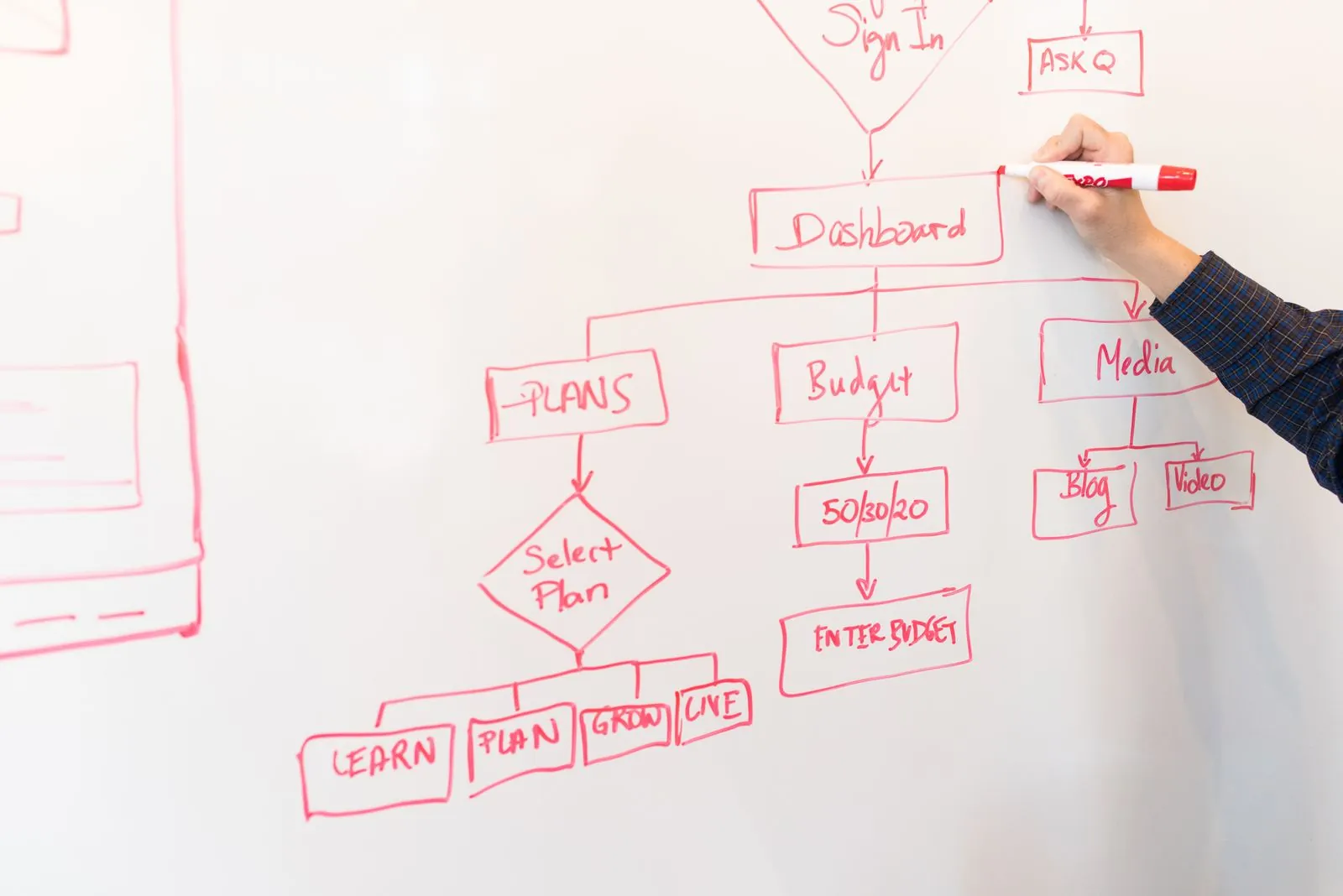
Translated to a med spa's front desk, the patient journey breaks into a chain of distinct jobs. Each one gets its own agent, and each agent hands the patient to the next stage once its own job is complete:
- AI Receptionist — answers every inbound call, text, or web inquiry the moment it arrives, whether it's a new Botox question or an existing patient rescheduling a filler appointment.
- Lead Qualification Agent — figures out what the inquiry is actually worth: which treatment the patient is asking about, how serious their timeline is, whether they're a fit for a consultation or just browsing laser hair removal pricing.
- Booking Agent — takes a qualified patient and does the transactional work: checks real injector availability, offers times, confirms the consultation slot, and collects any pre-visit details.
- CRM Agent — keeps the record accurate as everything above happens, logging the conversation, the treatment interest, the booking, and the outcome so nothing lives only in someone's memory.
- Follow-Up Agent — runs the sequence after the booking: confirmation, reminder, pre-care instructions for the treatment, and a post-visit check-in that sets up the rebooking conversation.
- Reactivation Agent — watches for patients drifting past their re-treatment window and reaches out with a reason to return, offering an actual slot rather than a generic newsletter.
Why splitting the work is more reliable
Each of these jobs has a different standard for doing it well. Reception is about speed and warmth — answer instantly, sound like the practice. Qualification is about judgment — knowing the difference between a price shopper and a patient ready to book a body contouring consult. Booking is about accuracy — never double-book an injector, never offer a slot that doesn't exist. Follow-up is about timing — the right message at the right interval. Reactivation is about restraint — persistent enough to bring someone back, never so pushy it burns the relationship.
A single agent asked to carry all six standards at once ends up tuned for none of them. Worse, when it mishandles a patient, you can't tell whether the failure was in the greeting, the judgment, or the booking logic, because it's all one black box. With specialized agents, each one can be tuned and monitored against its own job. If consultations are being booked but reminders aren't going out, that's a Follow-Up Agent problem, and you fix it without touching the agent that's answering the phones well.
This mirrors how a good human front desk already works. The person who's great at greeting callers is rarely the same person meticulously maintaining the CRM. Med spas have always known that specialization produces reliability; multi-agent systems apply the same lesson to software.
The practical test
When a vendor shows you an AI agent, ask what happens when one part of the chain fails. If the answer is that the whole agent gets retrained, you're looking at a monolith. If each stage can be inspected, tuned, and fixed independently, you're looking at a system.
How the chain handles a real inquiry
Watch a Botox inquiry travel the chain. A patient texts on a Saturday evening asking about pricing for her first treatment. The AI Receptionist answers immediately — no voicemail, no Monday callback. The Lead Qualification Agent takes over mid-conversation, learns she's a first-timer comparing two local med spas and hoping to come in within two weeks, and flags her as ready to book. The Booking Agent checks the injectors' real schedules, offers Tuesday at 5:30 or Thursday at noon, and confirms Tuesday. The CRM Agent logs all of it: new patient, Botox interest, consultation booked, source was the website text line. The Follow-Up Agent sends the confirmation that night, a reminder Monday, and first-visit instructions Tuesday morning. She shows up.
Now follow the same patient three months later. She's eight weeks past her appointment — approaching the window where Botox patients typically think about re-treatment. The Reactivation Agent reaches out with a friendly check-in and an offered slot with her usual injector. She books before she's seriously considered going anywhere else. Six agents, six handoffs, one patient who never hit a dead end — and a front desk that spent its Saturday on the patients already in the chairs.
This chain structure is also why the system-level view matters more than any single automation, the point we made in The biggest AI automation mistake: automating tasks instead of workflows. Each agent is only as valuable as the handoffs around it — the Receptionist without the Booking Agent behind it is just a very polite answering service.
What this means when you're choosing a partner
The multi-agent shift has a practical consequence for how a med spa should buy AI. If a vendor or freelancer is offering you a single agent that does everything, you're buying yesterday's architecture with tomorrow's marketing language. The better question is how they split the work, what each agent is responsible for, how the handoffs are monitored, and what happens to the patient when one stage fails.
This is how OVRIO structures its systems. The services on our Services page — AI Receptionist, Missed Call Recovery, Lead Follow-Up, No-Show Recovery, Patient Reactivation — aren't five unrelated products. They're the specialized roles in the chain, each tuned for its one job, connected into the full journey from first inquiry to rebooked patient. If you want to see what that chain would look like mapped onto your own front desk, book a free growth audit and we'll walk through it together.
If this is happening in your clinic, the next step is to see how the AI Med Spa Growth System works agent by agent, look at illustrative med spa growth scenarios, or talk to us about your clinic and we will map where your bookings are leaking.
Written by
Khalil Ur Rahman Afridi
LinkedInFounder, OVRIO
I Help Med Spas Book 50+ More Consultations/Month With AI Receptionists & Missed-Call Recovery — No Extra Front Desk Staff | Founder at Ovrio AI
More about OVRIO